


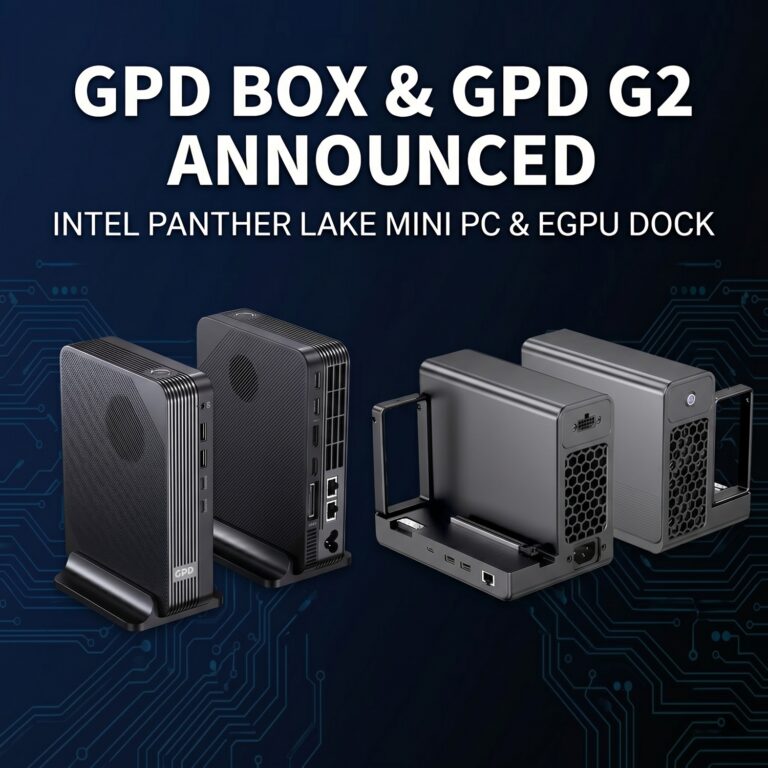
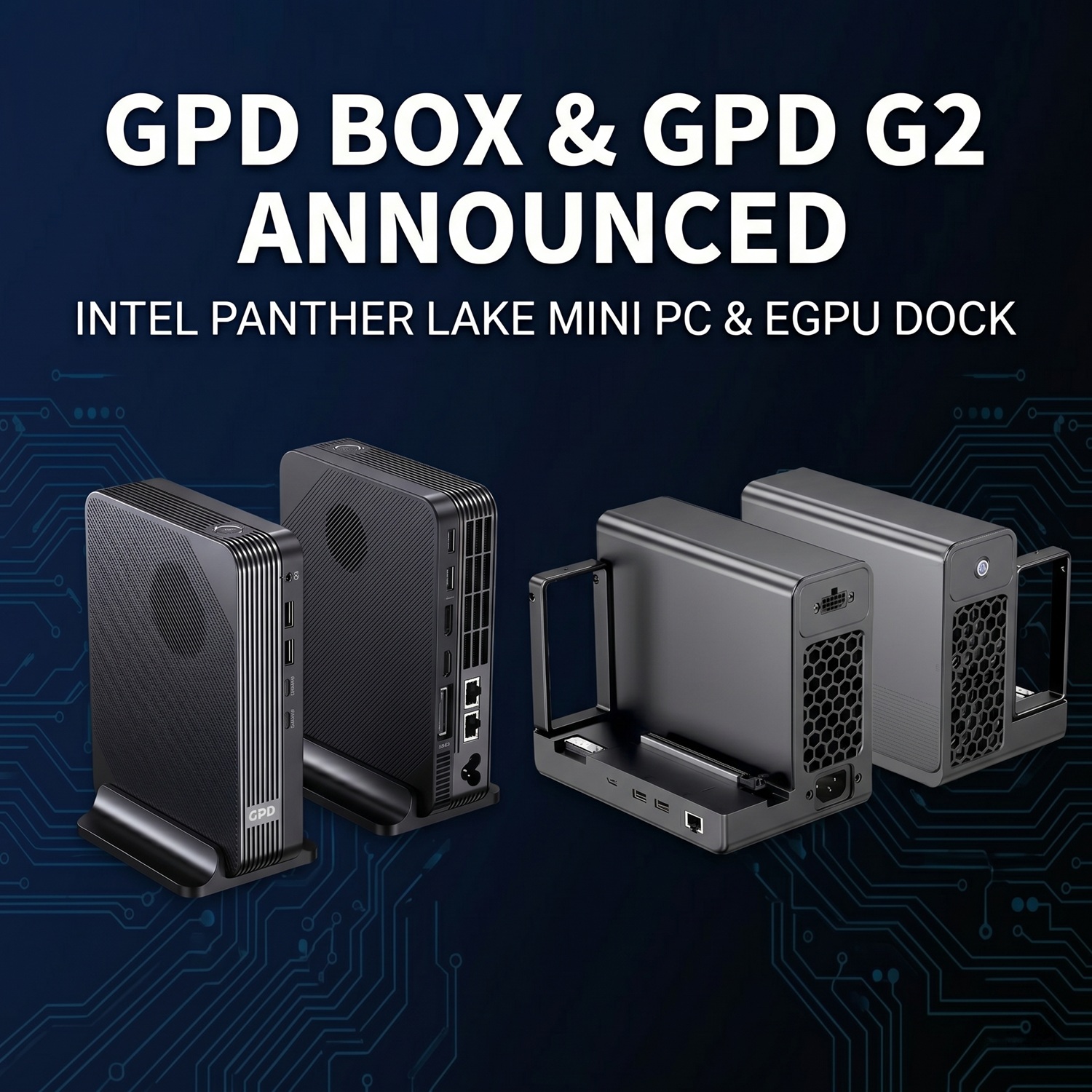
GPD G2とGPD BOXとは? GPD G2は新しく発表されたMCIOとUSB4 v2.0のeGPUドックで、GPD BOXはGPDが初のミニPCとして発表したPanther Lakeベースのコンパクトデスクトップです。GPD BOXは、GPD初のミニPCとして発表されたPanther Lakeベースの小型デスクトップで、この2つを組み合わせることで、より広帯域の外部グラフィックス拡張と非常に小さなデスクトップ設置面積を中心に構築された新しいハードウェアペアを形成します。
最新の公式スペックが公開されたことで、ティーザーの段階よりもはるかに鮮明になった。GPDはミニPCとeGPUドックを同時に発表するだけでなく、BOXがコンパクトなベースシステムとして機能し、GPD G2がより高性能なグラフィックスと拡張レイヤーとして機能するという、より広範なプラットフォーム構想を打ち出している。
これが、今回の発表を単なる製品発表以上に興味深いものにしている。GPDは、ミニPCとドックを別個のアクセサリーとして扱うのではなく、よりすっきりとしたデスクセットアップ、より小型のハードウェア、必要なときにグラフィックスパワーを拡張できる余地を求めるユーザーのために、それらをマッチしたパフォーマンススタックとして提示している。すでにコンパクトなGPDシステム、プレミアムハンドヘルド隣接ハードウェア、または柔軟なデスクトップ代替品を閲覧している人にとって、この組み合わせは明らかに、ミニノートPCと幅広いハンドヘルドゲーミングPCの間に新しいレーンを開くことを意味している。
まだ重要な未知数がある。GPDはまだ価格、発売時期、地域展開の詳細を確定しておらず、見出しのゲームとパフォーマンスの謳い文句のいくつかは、まだベンチマークの文脈を必要としている。しかし、最初のティーザーと比較すると、両製品ははるかに実質的な裏付けを持つようになった。
| 製品 | 新たに決定したハイライト | なぜ目立つのか |
|---|---|---|
| GPD G2 | PCIe Gen 5 x16スロット、PCIe Gen 4 x8グラフィックデバイス用MCIO 8iサポート、USB4 v2.0、USB-A x2、RJ45イーサネット、M.2 2280スロット、最大100W PD、ゴールド定格ATX 3.1設計、800W連続12V出力 | 単なるドックではなく、本格的な外部グラフィックスと拡張プラットフォームのようだ |
| GPD BOX | GPD初のミニPC、パンサーレイクCore Ultra X7 358HまたはCore Ultra 7 356H、Xe3グラフィックス、最大64GB LPDDR5x、デュアルM.2ストレージ、MCIO 8i、デュアルUSB4 v2.0、DP 2.1、HDMI 2.1、デュアル2.5G LAN | 最初の発表で示唆されたよりもはるかに積極的なスペックシートで、GPDをコンパクトデスクトップスペースに押し上げる。 |
GPDのG2は、ティーザーが示唆していたよりもはるかに野心的に見える。
最大のアップグレードは、新しいGPD G2の技術仕様ページです。GPDはすでに、このユニットを世界初のMCIOデュアルポートeGPUドックと説明していたが、全ページを見ると、基本的な外付けGPUアクセサリーというよりも、完全なグラフィックスおよび拡張シャーシのように見える。
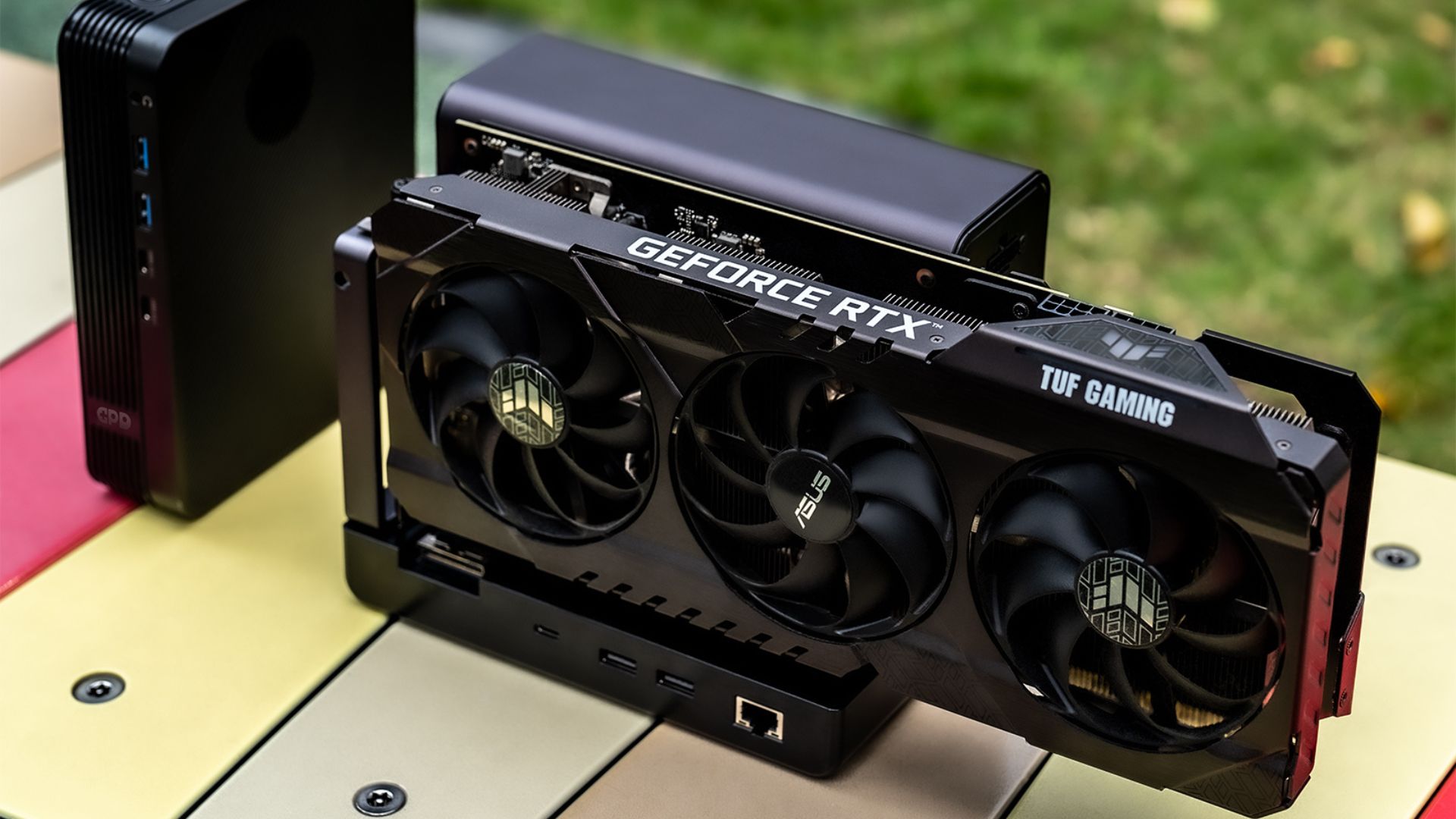
GPDが公表している仕様によると、このドックにはPCIe Gen 5 x16スロットが内蔵されており、PCIe Gen 4 x8リンクを通じてグラフィックスカードを含むPCIeデバイスをサポートするMCIO 8i接続が搭載されている。GPDはまた、80Gbps対称または120/40Gbps非対称の帯域幅をサポートするUSB4 v2.0ポートを1つ搭載し、最大100WのPD 3.0充電に対応しています。さらにGPD G2は、2つのUSB 3.2 Gen 2 Type-Aポート、1つのRJ45ギガビット・イーサネット・ポート、外部ストレージの起動をサポートする1つのM.2 2280スロットを搭載しています。
GPD G2がより幅広いアイデンティティを持つようになったからだ。GPD G2は、デスクトップGPUを1台のハンドヘルドPCや1台のノートPCに取り付ける方法としてのみ販売されているわけではありません。GPDはこれを、ホームPC、ThunderboltまたはUSB4クラスの接続性を持つハイエンド・ハンドヘルド、ワークステーション、サーバー、さらには一部のHPCスタイルのシナリオのための柔軟な外部拡張プラットフォームとして提示している。また、Windows 11とLinuxの両方をサポートすることも明示している。
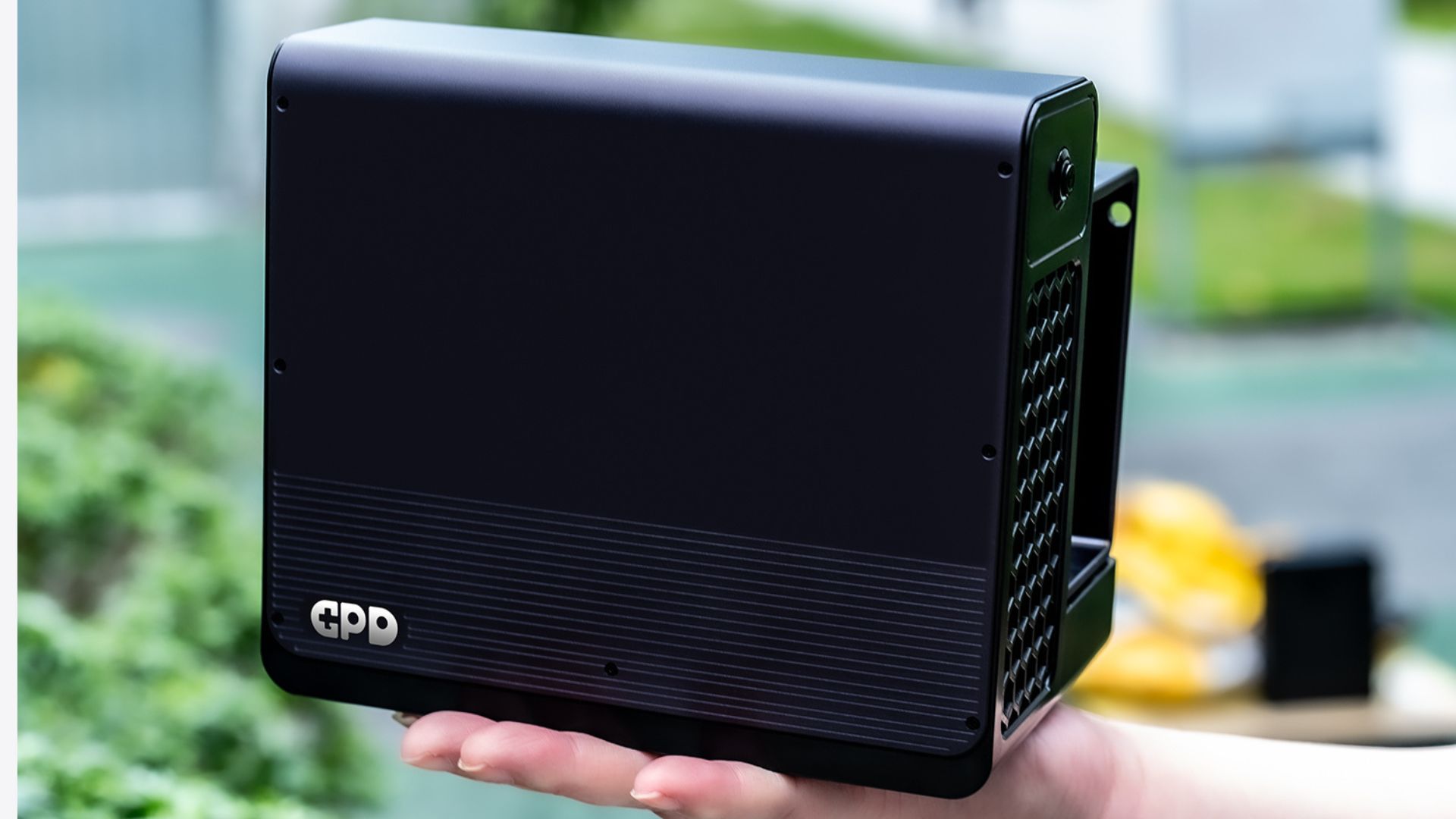
電源供給は、更新されたストーリーのもう一つの主要部分である。GPDによれば、GPD G2はGold-rated ATX 3.1設計を採用し、ATX 3.1 GPU要件に準拠し、12V-2×6 GPU電源をサポートし、800Wの連続12V出力を提供できる。これは、多くの読者がオリジナルのティーザーグラフィックスから想定するよりも、はるかに深刻なパワープロファイルである。
GPDはまた、GPUの互換性に関しても、最初のマーケティング・イメージから想像されるよりもはるかに広範囲をカバーしている。公式ページには、NVIDIA GeForce GTX 10、GTX 16、RTX 20、RTX 30、RTX 40、およびRTX 50コンシューマーカード、AMD Radeon RX 400からRX 9000シリーズコンシューマーカード、およびIntel Arc AおよびBシリーズコンシューマーGPUのサポートリストが掲載されている。また、NVIDIA QuadroおよびRTXワークステーション・カード、AMD Radeon Proライン、Intel Arc Pro GPU、さらにはNVIDIA、AMD、Intelの各種データセンター・アクセラレータのサポート・リストも公開されており、コンシューマ・ハードウェアの枠を超えています。
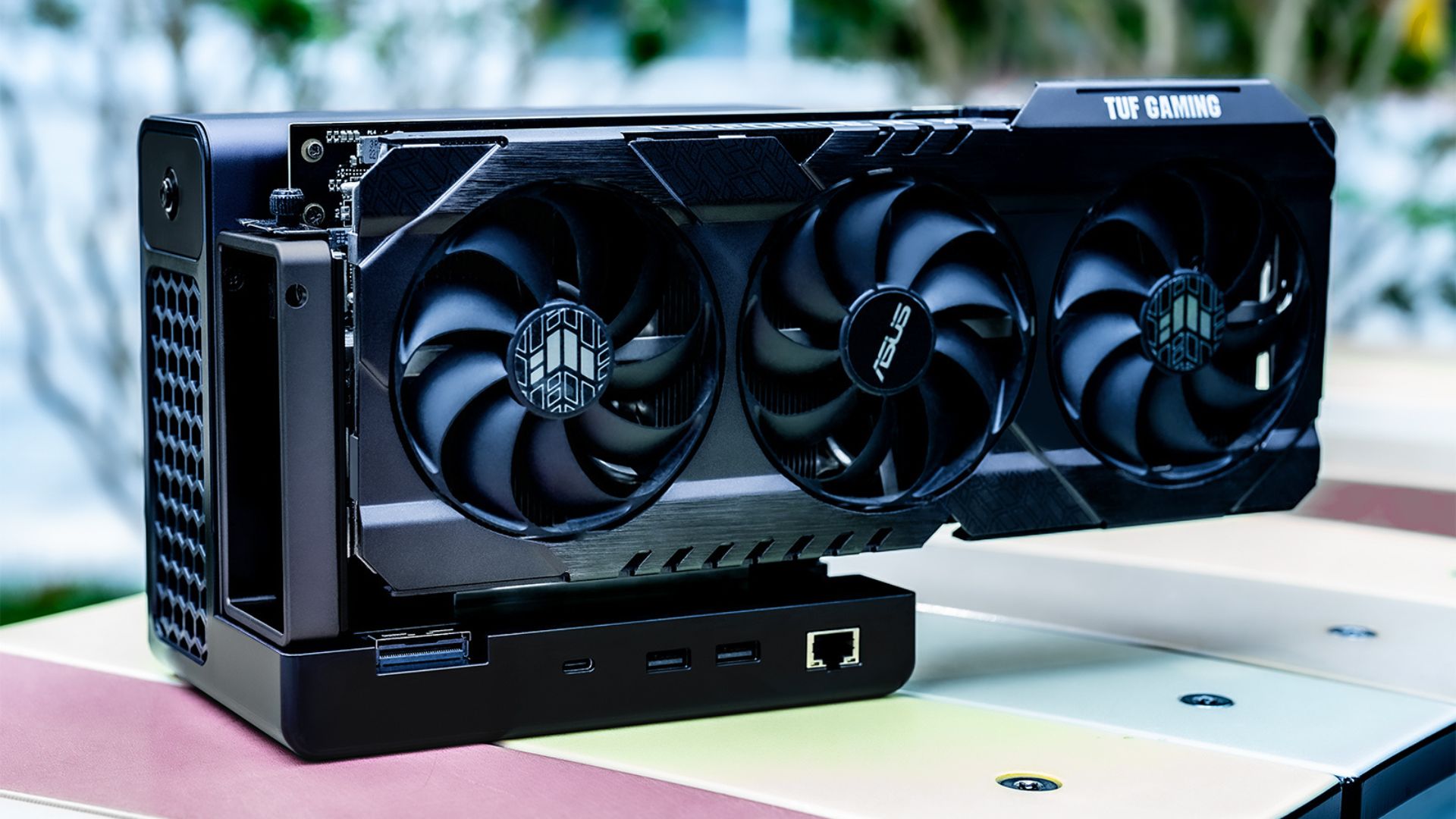
見出しの主張は、最初に注目を集めたものと同じだ:GPDによると、RTX 4090はGPD G2上でわずか2%の性能低下で動作する。更新された資料では、4090または5090クラスのユースケースを中心にドックをフレーミングすることで、メッセージの幅も広がっている。というのも、同社はテスト方法、ゲーム、解像度、ベンチマーク条件などを公表していないためだ。
その注意点を差し引いても、GPD G2はもはや単なる魅力的なアイデアではない。現時点の証拠では、コンパクトなデバイスとデスクトップクラスのグラフィックス拡張の架け橋となる、GPDの最も積極的な試みの1つに見える。
GPD G2の技術仕様
| カテゴリー | 特徴 | 仕様 |
| 基本情報 | ブランド | ジーピーディー |
| 対応デバイス | ホームPCおよびハイエンドゲームデスクトップ(PCIe 3.0 x16スロットが1つ以上空いている)、ハイエンドゲームハンドヘルド(Thunderbolt 3/4/5またはUSB4/USB4 v2.0ポートをサポート)、ワークステーション、サーバー、高性能コンピューティング(HPC)シナリオ。 | |
| システムサポート | Windows 11およびLinuxディストリビューションに対応。 | |
| 対応GPU | コンシューマー向けGPU | –NVIDIAGeForce GTX 10 シリーズ (Pascal)、RTX 20 シリーズ (Turing)、GTX 16 シリーズ (Turing)、RTX 30 シリーズ (Ampere)、RTX 40 シリーズ (Ada Lovelace)、RTX 50 シリーズ (Blackwell) PCIe ベースのカード。 –AMD:Radeon RX 400/500シリーズ(GCN 4.0)、RX Vegaシリーズ(GCN 5.0)、Radeon VII(GCN 5.0)、RX 5000シリーズ(RDNA 1.0)、RX 6000シリーズ(RDNA 2.0)、RX 7000シリーズ(RDNA 3.0)、RX 9000シリーズ(RDNA 4.0) PCIeベースカード。 –Intel:Arc A シリーズ (Xe HPG) および Arc B シリーズ (Xe2 HPG) PCIe ベースカード。 |
| ワークステーションGPU | –NVIDIA:Quadro K シリーズ (Kepler)、M シリーズ (Maxwell)、P シリーズ (Pascal)、A シリーズ (Ampere)、および RTX シリーズ (Blackwell) PCIe ベースのカード。 –AMD:Radeon Pro WX シリーズ (GCN)、Pro W シリーズ (GCN)、Pro W5700 (RDNA)、Pro W6000 シリーズ (RDNA 2)、Pro W7000 シリーズ (RDNA 3)、および AI PRO R9000 シリーズ (RDNA 4) PCIe ベースのカード。 –Intel:Arc Pro A シリーズ (Xe) および Arc Pro B シリーズ (Xe2) PCIe ベースカード。 | |
| データセンター向けGPU | – NVIDIA:Teslaシリーズ(Kepler、Maxwell、Pascal、Volta)、T4(Turing)、A100(Ampere)、H100/H200(Hopper)、およびそれ以降の製品を含むデータセンター向けPCIe GPU。 – AMD:インスティンクトPCIeコンピュート・カード(MI8(GCN 3.0)、MI6(GCN 4.0)、MI25(GCN 5.0)、MI100(CDNA 1.0)、MI200シリーズ(CDNA 2.0)、MI300シリーズ(CDNA 3.0)、およびそれ以降の製品を含む) –インテル:Max シリーズ (Xe-HPC) および Flex シリーズ (Xe-HPG) を含むデータセンター向け PCIe GPU。 | |
| コネクティビティ | PCIeスロット | ×双方向理論帯域幅1024 Gbps、双方向実効データ帯域幅約126 GB/秒。 |
| MCIO 8iポート | PCIe Gen 4 × 8経由でグラフィックカードを含むPCIeデバイスをサポート。ハブ機能を有効にするには、USB4 v2.0ポートへの同時接続が必要です。 | |
| USB4 v2.0ポート | ×80Gbps対称帯域幅(TX/RX)または120/40Gbps非対称帯域幅(TX/RX)をサポート。最大100Wの電力供給(5V/9V/12V/15V/20V)でPD 3.0プロトコルをサポート。MCIO 8iポートと一緒に接続した場合は、ハブの拡張とPD電源のみを処理し、単独で接続した場合は、eGPU機能を有効にします。 | |
| USBタイプA | ×2、USB 3.2 Gen 2、10 Gbps。 | |
| NVMe M.2スロット | ×1、M.2 2280仕様、PCIe 3.0 × 2(USB 3.2 Gen 2から変換)。外付けストレージの起動に対応。ガンメタルのマグネット式SSDカバーを採用。 | |
| イーサネット・ポート | ×1、RJ45イーサネットポート、10/100/1000 Mbpsオートネゴシエーション。 | |
| パワースペック | タイプ | ATX 3.1 GPU要件準拠、効率92%以上。 |
| インプット | 100-240V、50/60Hz。 | |
| 総合出力 | 12V-2×6、合計12V、800W連続出力対応。 | |
| 電源スイッチ | 白色LEDインジケーター(ON:点灯/OFF:消灯)。 | |
| GPU電源コネクタ | 12V-2×6。 | |
| AC入力ソケット | IEC 60320 C14ソケット。 | |
| 素材と仕上げ | 寸法 | 157.3 × 119.8 × 182 mm |
| カラー | ガンメタル | |
| 材料 | アルミニウム・マグネシウム合金、PC 94V-0 | |
| 正味重量 | 1605 g |
GPD BOXにより、GPDはミニPCへの本格的な第一歩を踏み出した
デスクトップでは、GPDはGPD BOXを使って、これまでほとんど避けてきたカテゴリーに参入する。同社はこの製品を初のミニPCと位置づけており、公式製品ページを見ると、これが単なる小さなオフィスボックスではないと考える理由がよくわかる。
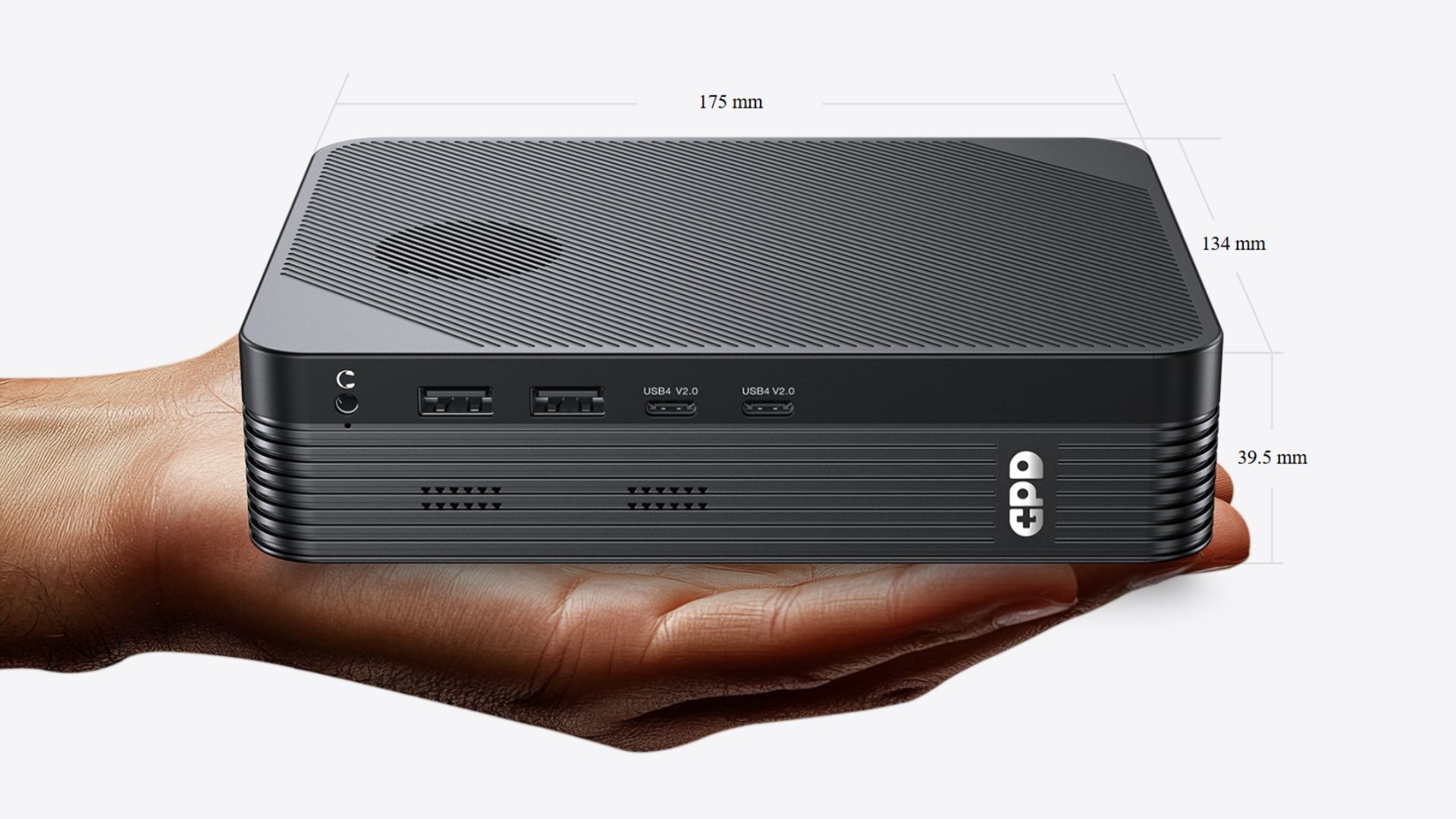
プロセッサーのラインナップが明確になった。GPDは、インテルのCore Ultraシリーズ3に属する2つのインテルPanther Lakeパーツ、インテルCore Ultra X7 358HとインテルCore Ultra 7 356Hをリストアップしている。メモリは32GBまたは64GBのLPDDR5x 8533MT/sが選択可能で、GPD BOXはお買い得なミニPCよりも高級感がある。
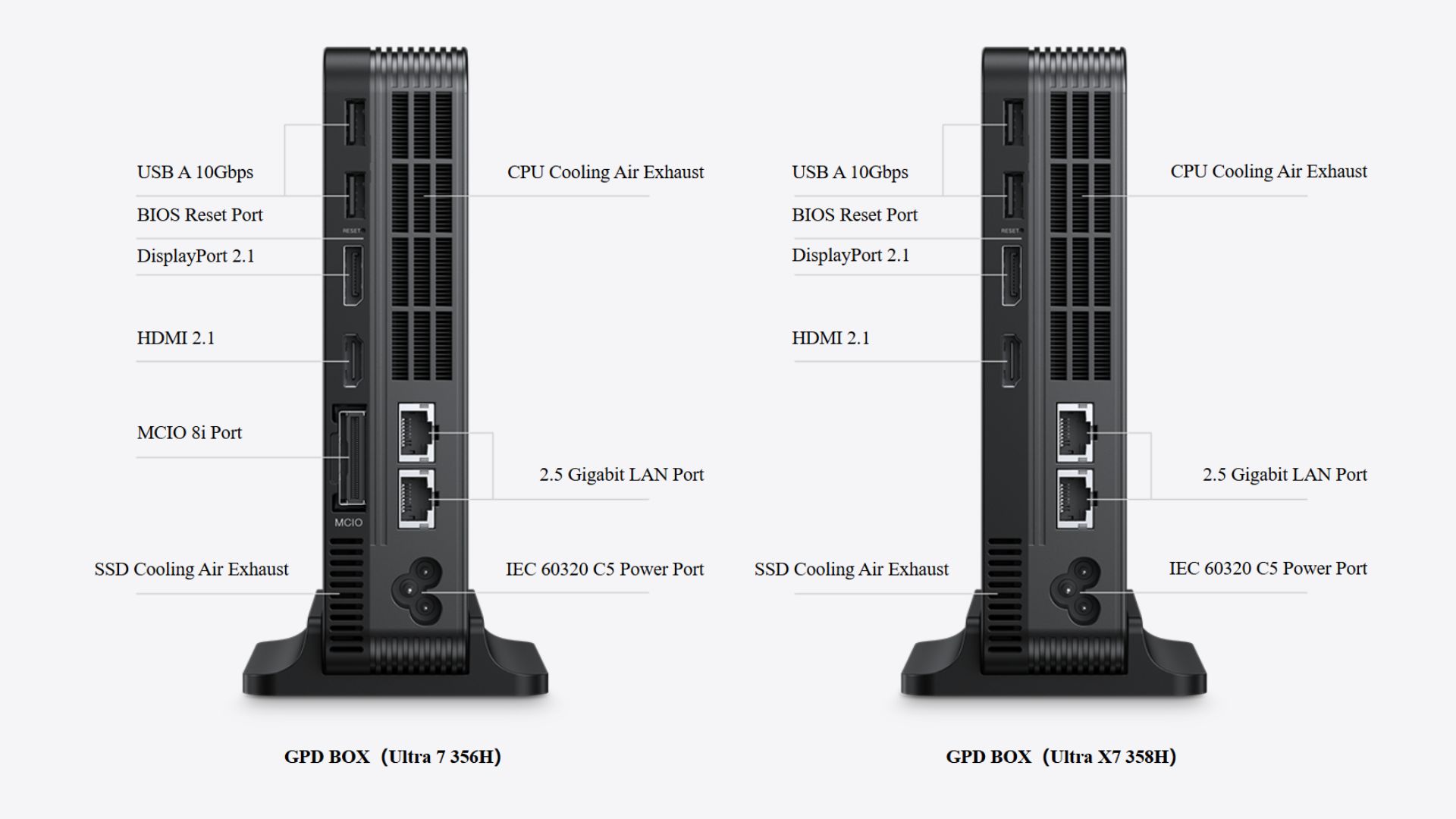
ストレージと拡張性も平均より強力だ。GPDは、2つのM.2スロット、1つのPCIe Gen 5 x4 NVMeスロット、1つのPCIe Gen 4 x2スロットを搭載し、512GBから4TBまでの2280 SSDオプションを用意している。BOXには、PCIe Gen 5 x8ベースのMCIO 8i to 8iポートも搭載されている。GPDは独自のマーケティングイメージで、BOXを世界初のMCIO 8i設計と呼び、512Gbpsの双方向帯域幅を引き合いに出し、MCIO 8iリンクはPCIe 4.0 x4ベースのOCuLinkの4倍の帯域幅を提供すると述べている。これは、GPD BOXがどのように認識されることを望んでいるのか、非常に重要な部分である。
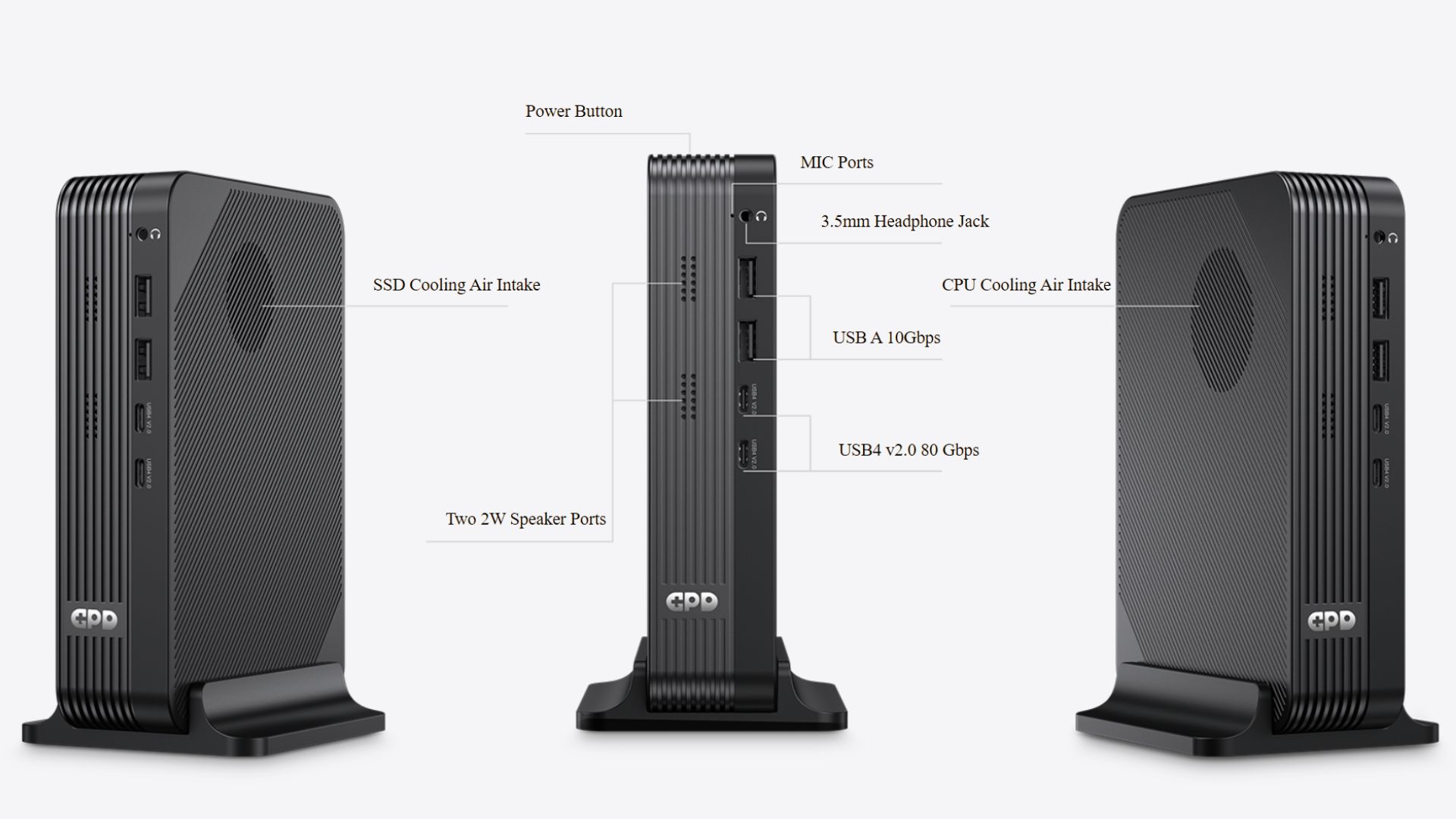
I/Oレイアウトも特筆すべき豊富さだ。GPDの公式ページによると、GPD BOXには2つのUSB4 v2.0ポート、1つのDisplayPort 2.1出力、1つのHDMI 2.1ポート、4つのUSB 3.2 Gen 2 Type-Aポート、2つの2.5G LANポートが搭載されている。GPDはまた、マーケティング資料でデュアルUSB4 v2.0のセットアップを160Gbpsの双方向帯域幅と説明しており、BOXがCPUのスペックと同様に拡張性と接続性を重視しているという考えを強めている。
これらはすべて、GPDの核心を説明するのに役立つ。同社は、GPD BOXがコンパクトなデスクトップ・ベースとして機能し、GPD G2がそれをよりパワフルなゲーミングマシンやクリエイター向けマシンに拡張できる、と事実上言っているのだ。言い換えれば、BOXは単体の小型PCとしてではなく、モジュール式のパフォーマンス・コンセプトの半分として販売されているのだ。
これにより、BOXはより幅広いGPD製品群の中で明確な位置を占めることになる。GPD WIN 5のようなハードウェアが好きなバイヤーにとって、BOXは、よりデスクに近いフォームファクターで、同じコンパクトな性能のエトスに向かっているように見える。
GPD BOXの技術仕様
| カテゴリー | GPD BOX(ウルトラX7 358H) | GPD BOX(ウルトラセブン 356H) |
| CPUとiGPU | インテル® Core™ Ultra X7 358H – 16 コア|最大 4.8 GHz ターボ・ブースト – 12 Xe3 グラフィックス・コア|180 TOPS AI パワー – 15-80W 構成可能 TDP | インテル® Core™ Ultra 7 356H – 16 コア|最大 4.7 GHz ターボ・ブースト – 4 Xe3 グラフィックス・コア|100 TOPS AI Power – 15-80W TDP 設定可能 |
| ストレージと拡張 | – メモリ32GB / 64GB LPDDR5x 8533 MT/s – ストレージ:1 × M.2 PCIe Gen 5 × 4 スロット – 拡張: 1 × M.2 PCIe Gen 4 × 2 スロット – プリインストール:512GB – 4TB 2280 NVMe SSD | – メモリ32GB / 64GB LPDDR5x 8533 MT/s – ストレージ:1 × M.2 PCIe Gen 5 × 4 スロット – 拡張: 1 × M.2 PCIe Gen 4 × 2 スロット – プリインストール:512GB – 4TB 2280 NVMe SSD |
| I/Oポート | – 2 × USB4 v2.0 (80Gbps) – 1 × DisplayPort 2.1 (UHBR20) – 1 × HDMI 2.1 (FRL) – 4 × USB 3.2 Gen2 Type-A (10Gbps) – 2 × 2.5G RJ45 LAN (10/100/1000/2500 Mbps) – 1 × MCIO (PCIe 5.0 × 8) | – 2 × USB4 v2.0 (80Gbps) – 1 × DisplayPort 2.1 (UHBR20) – 1 × HDMI 2.1 (FRL) – 4 × USB 3.2 Gen2 Type-A (10Gbps) – 2 × 2.5G RJ45 LAN (10/100/1000/2500 Mbps) |
| ゲームの腕前 | – 統合:4-Core Xe3 Graphics | 512 Stream Processors – Radeon 780M に匹敵するパフォーマンス – 外部拡張:デュアルインターフェースGPUサポート – USB4 v2.0 (80Gbps):PCIe 5.0 × 4 | ~31.5 GB/s 帯域幅 – MCIO Exclusive:PCIe 5.0 × 8 | ~63 GB/s Bandwidth – Ultimate Desktop Power: Support RTX 5090 / 5090D – DLSS 4.0サポート | Up to 3x Frame Gen | 200-800 FPSパフォーマンス | – 統合:12-Core Xe3 Graphics|1536 Stream Processors – XeSS 3 Super Sampling|Up to 4x Frame Generation – ほとんどの AAA タイトルで 60-120 FPS を実現 – 拡張可能:USB4 v2.0 (80Gbps) による外部 GPU – PCIe 5.0 × 4 共有レーン | ~31.5 GB/s 理論帯域幅 – NVIDIA GeForce RTX 5090 / 5090D までサポート – DLSS 4.0 サポート | 3x フレーム生成 | 最大 200-600 FPS |
| AIパフォーマンス | – 180 TOPS Int8 Peak AI Compute – ベンチマーク:NVIDIA Jetson AGX Orin 64GBに匹敵 – TDP 25Wで:大幅な効率向上 – LLMスループット:最大3.9倍高速 – 音声合成(TTS)速度:最大3.7倍高速 – マルチタスクコンピュータビジョン:最大5.4倍高速化 | – 100 TOPS Int8 Aggregate AI Compute – eGPU 拡張:Multimodal Interactive Agents – Local LLM Inference, Scientific Computing & Simulation – End-to-End Workflow:モデルのトレーニングからデプロイメントまで – データ処理とAIトレーニングの高性能サポート |
パンサー・レイクはGPD BOXに明確なパフォーマンス・アイデンティティを与える
Panther Lakeは、GPD BOXが最初に公開された時よりも信頼できるようになった理由の中心だ。インテルの公式プラットフォーム発表で、同社はPanther Lakeについて、現在はインテル・コア・ウルトラ・シリーズ3というブランド名で、インテル18Aで構築された初のクライアントSoCで、AI PC、ゲーミングデバイス、コンパクトシステム向けと説明している。
GPDは今回、BOXを2つの特定のチップに結びつけた。上位のインテル Core Ultra X7 358Hは、16コア、最大4.8GHzのブーストスピード、12個のXe3グラフィックコア、最大180TOPSのAIパフォーマンス、15Wから80Wまでの設定可能なTDPを備えている。また、インテル Core Ultra 7 356Hは、16コア、最大4.7GHzのブースト速度、4つのXe3グラフィックコア、最大100TOPS、同じ15Wから80Wの設定可能な範囲で掲載されている。
これらの確認された詳細により、GPD BOXは、より広いミニPC市場に対してより簡単に枠にはめることができる。GPD BOXは、もはや単なるPanther Lakeのティーザーではありません。現在では、明確なCPUターゲット、明確なGPUターゲット、既知のメモリ上限、そして外部グラフィックス拡張に強く傾倒した接続性ストーリーが公表されている。
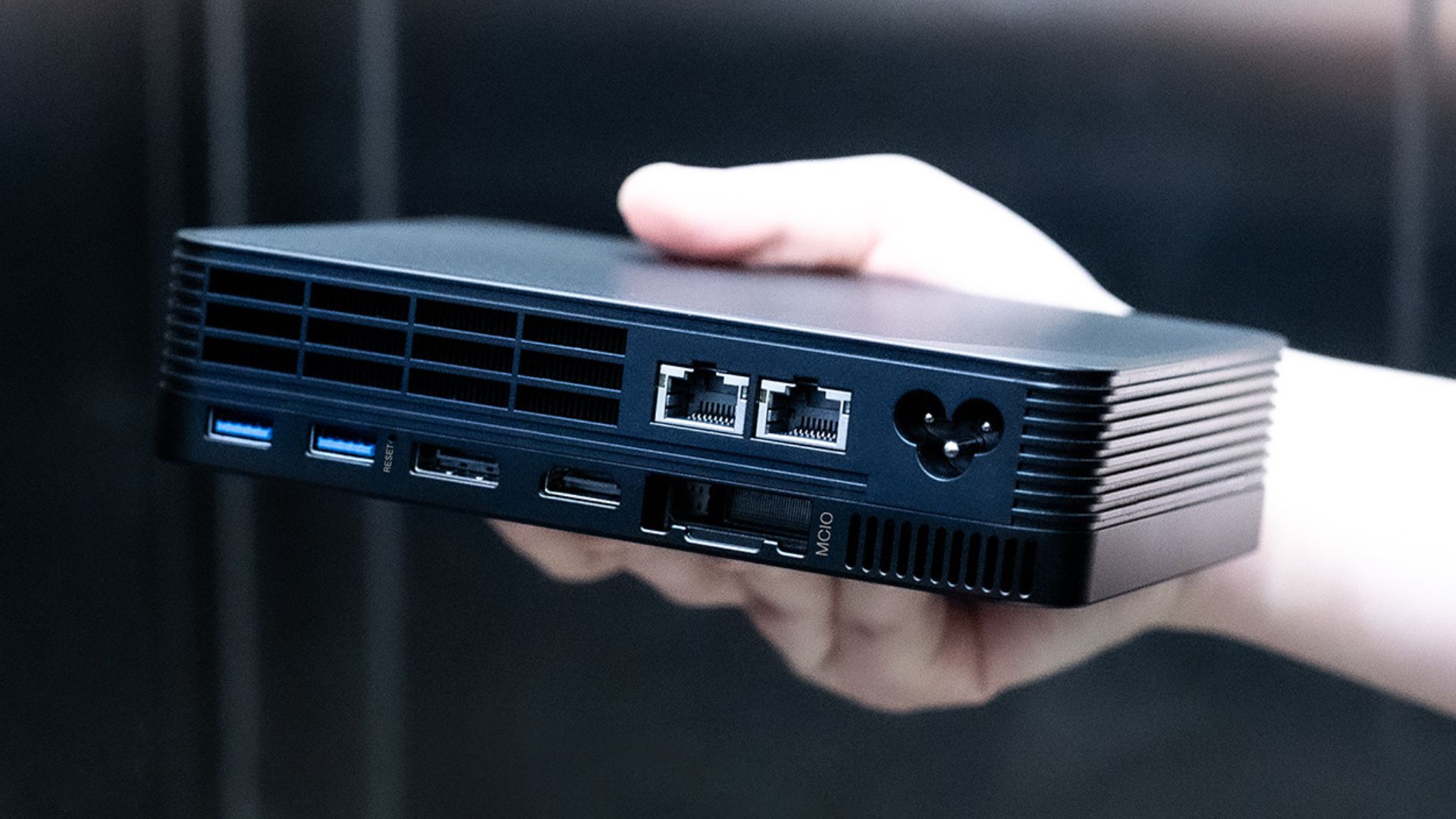
GPDはまた、これらのチップに非常に具体的な性能に関する言葉を添えている。Ultra X7 358Hについては、統合12コアXe3グラフィックスを搭載し、ほとんどのAAAゲームで60~120 FPSを実現し、XeSS 3のサポートを強調しています。Ultra 7 356Hについては、グラフィックス性能はRadeon 780Mクラスの統合グラフィックスに匹敵するとしている。これらの主張は、より詳細なテストデータの裏付けが取れるまでは慎重に扱われるべきですが、GPDがこの2つの構成をどのように理解して欲しいかを示しています。
AIの話も同様だ。GPDは、上位のBOXを180TOPSのマシン、下位のシステムを100TOPSの設計として売り込み、その数字をローカルのLLM作業、科学計算、シミュレーション、マルチモーダル・エージェントのユースケースにつなげている。これらの主張が実際のワークロードで説得力を持つかどうかはまだ分からないが、同社はGPD BOXを軽作業用の小型PC以上のものとして読むべきだと明確に判断している。
| 確認されたGPD BOXの詳細 | GPDが現在発表しているもの | なぜそれが重要なのか |
|---|---|---|
| CPUオプション | インテル・コア・ウルトラX7 358Hまたはインテル・コア・ウルトラ7 356H | BOXが2つの特定のPanther Lake Series 3プロセッサーと関連していることを確認 |
| グラフィック | Xe3グラフィックス、X7モデルでは最大12コア | 統合グラフィックスへの意欲がBOXのピッチの主要部分であることを示す。 |
| メモリー | 32GB または 64GB LPDDR5x 8533 MT/s | BOXはエントリーレベルのコンパクトシステムよりも上位に位置する。 |
| ストレージ | PCIe Gen 5 x4 M.2スロット×1、PCIe Gen 4 x2 M.2スロット×1 | より高速なストレージオプションを追加し、さまざまな構成に柔軟に対応 |
| 外部拡張 | PCIe Gen 5 x8のMCIO 8i、双方向512Gbps帯域幅と4倍のOCuLink帯域幅で販売される | GPDが差別化要因としてMCIOを重視していることを示す |
| ビデオとネットワーク | デュアルUSB4 v2.0、DP 2.1、HDMI 2.1、USB-A×4、デュアル2.5G LAN | 第一世代のミニPCとしては、BOXが異例に充実しているように見える |
| AIとeGPUの位置づけ | 最大180TOPS、RTX 5090または5090Dペアリングのメッセージングをサポート | GPDが目標とするパフォーマンスレベルを明確にする。 |
なぜGPD BOXとGPD G2の組み合わせが本当の話なのか?
ここで本当に重要なのは、GPDがミニPCを発売したことでも、より広帯域のeGPUドックを発売したことでもない。より重要な点は、同社がこの2つをモジュール式のパフォーマンス・システムとして発表していることだ。
帯域幅は、特に小型デバイスからデスクトップクラスの結果を得たい場合に、外部グラフィックスセットアップの主な制限の1つとなってきた。GPDは、MCIOが、特にUSB4 v2.0やより強力なオンボードI/Oと組み合わせることができれば、旧来の拡張アプローチよりも、この問題に対するより説得力のある答えになることに賭けていることは明らかです。
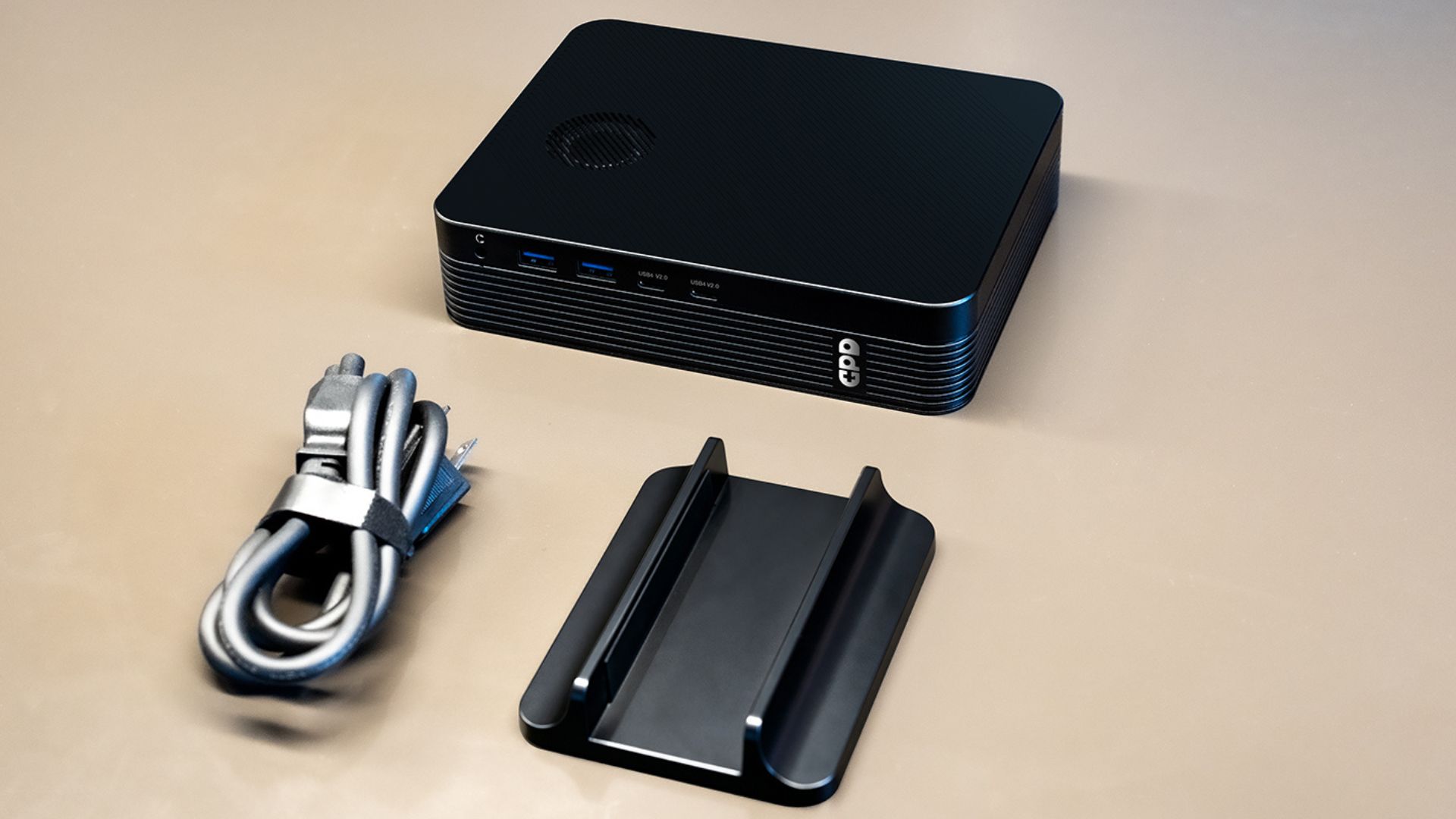
GPD BOXがコンパクトなデイリーユースデスクトップとして優れた性能を発揮し、G2がGPDの期待するデスクトップスタイルの拡張性に近いものを提供すれば、この組み合わせは、ゲーマー、クリエイター、開発者、ホームラボユーザー、フルサイズのタワーにそのまま移行せずに柔軟なシステムを求めるパワーユーザーにアピールできるだろう。
また、GPDの他の読者層ともうまく合致している。アクセサリー・カテゴリーやプレミアム・ハンドヘルド、コンパクトなGPDシステムをすでに検討しているバイヤーは、スモール・スタートで後からスケールアップするセットアップを気にする可能性が高い読者だ。
まだ証明されていないこと
スペックシートが充実していても、まだ重要なギャップがある。GPDは、ここでレビューした資料では、いずれの製品についても、最終的な価格、発売時期、地域ごとの在庫状況をまだ確認していない。
さらに重要なことは、現在残っている最大の疑問は、仕様よりもむしろ証明の部分にあるということだ。GPD G2のRTX 4090 2%損失という主張、ドック周辺の4090または5090クラスの広範なサポートメッセージ、BOXの60~120 FPSゲーミングの主張、Radeon 780Mの比較、GPD BOXに関連するRTX 5090または5090Dのペアリング言語について、より詳細なベンチマークコンテキストがまだ必要です。
だからといって、ハードウェアの話が弱いわけではない。むしろ、スペックのアップデートによって、このコンセプトを真剣に受け止めやすくなっている。しかし、読者は確認されたハードウェアのリストと、まだ独自のテストが必要な性能の結論とを分けて考えるべきだということだ。
今のところ、この発表は強い意思表示として最も機能している。GPDは、コンパクト・パフォーマンス・コンピューティングの分野でより積極的に競争したいと考えていることを明らかにしており、GPD BOXと GPD G2の組み合わせは、それをどのように計画しているかを示す、これまでで最も明確なサインである。
最近のGPDの勢いをすでに追っている人にとっても、このニュースは「GPD WIN 5 – Everything We Know So Far(GPDのWIN 5 – これまでの全情報)」のような報道と自然に並んでいる。フォームファクターは異なるかもしれないが、根底にあるメッセージはおなじみだ。
よくあるご質問
GPD G2とは何ですか?
GPD G2は、GPDが世界初のMCIOデュアルポートeGPUドックと説明するeGPUドックです。その公式スペックページには、PCIe Gen 5 x16スロット、PCIe Gen 4 x8デバイス用のMCIO 8iサポート、USB4 v2.0、2つのUSB-Aポート、ギガビットイーサネット、M.2 2280スロット、最大100W PD充電が記載されています。
GPD BOXとは何ですか?
GPD BOXは新たに発表されたPanther Lake搭載の小型デスクトップで、GPDはこれを同社初のミニPCと位置づけている。GPDは、Core Ultra X7 358HおよびCore Ultra 7 356Hのオプション、最大64GB LPDDR5xメモリ、デュアルM.2ストレージ、MCIO 8i、デュアルUSB4 v2.0、最大512Gbps双方向MCIO帯域幅を挙げている。
なぜパンサー湖がGPD BOXにとって重要なのか?
Panther Lakeが重要なのは、インテルがこれをAI PC、ゲーミングデバイス、コンパクトシステム向けの最新プラットフォームと位置付けているからだ。GPDは今回、BOXを2つの特定のCore Ultra Series 3チップに結びつけたことで、ミニPCが意図する性能の範囲がより明確になった。
GPD BOXはGPD G2と組み合わせられますか?
実は、この組み合わせが今回の発表の主なポイントの1つです。GPDは、GPD BOXと GPD G2を組み合わせることで、よりパワフルでコンパクトなゲーミングPCやクリエイター向けPCになることを明示しているのだ。
GPDは価格や発売時期を確認していますか?
いいえ、ここでレビューした資料にはありません。価格、発売時期、地域についてはまだ確認する必要がある。
RTX 4090、RTX 5090クラス、BOXゲーミングのクレームは最終的なものとして扱われるべきか?
いや、まだだ。GPDはそのような主張を発表しているが、現在入手可能な発表資料には、独自に検証するために必要な完全なベンチマーク手法やテスト条件が記載されていない。




Questions & answers
1I am curious about the durability of the MCIO 8i port and connector used by GPD. If this solution were used in a future handheld (say GPD Win Max 3) would it be safe for frequent mating cycles?
Oculink ports and cables are typically rated for 250 cycles but there are very few reports of GPD oculink ports failing, so I assume GPD is sourcing their ports from a specialized manufacturer like amphenol. But as far as I can tell, such a manufacturer doesn’t exist for the MCIO 8i port.
We have the GPD BOX and G2 but unfortunately we cant test the MCIO port as its the 358H model that does not have the MCIO port. Once the GPD BOX 356H model is available we will be able to test the MCIO port on that one. Its not possible to say what the wear and tear is like on the MCIO port as a result. But I would imagine for the GPD BOX its not something you would be connecting and disconnecting very often as its a mini PC rather than a handheld.