


 GPD G2Choose where to buy — prices as listed on each store.



Prices are the ones Weekly last read from each store — check the store page before you buy.
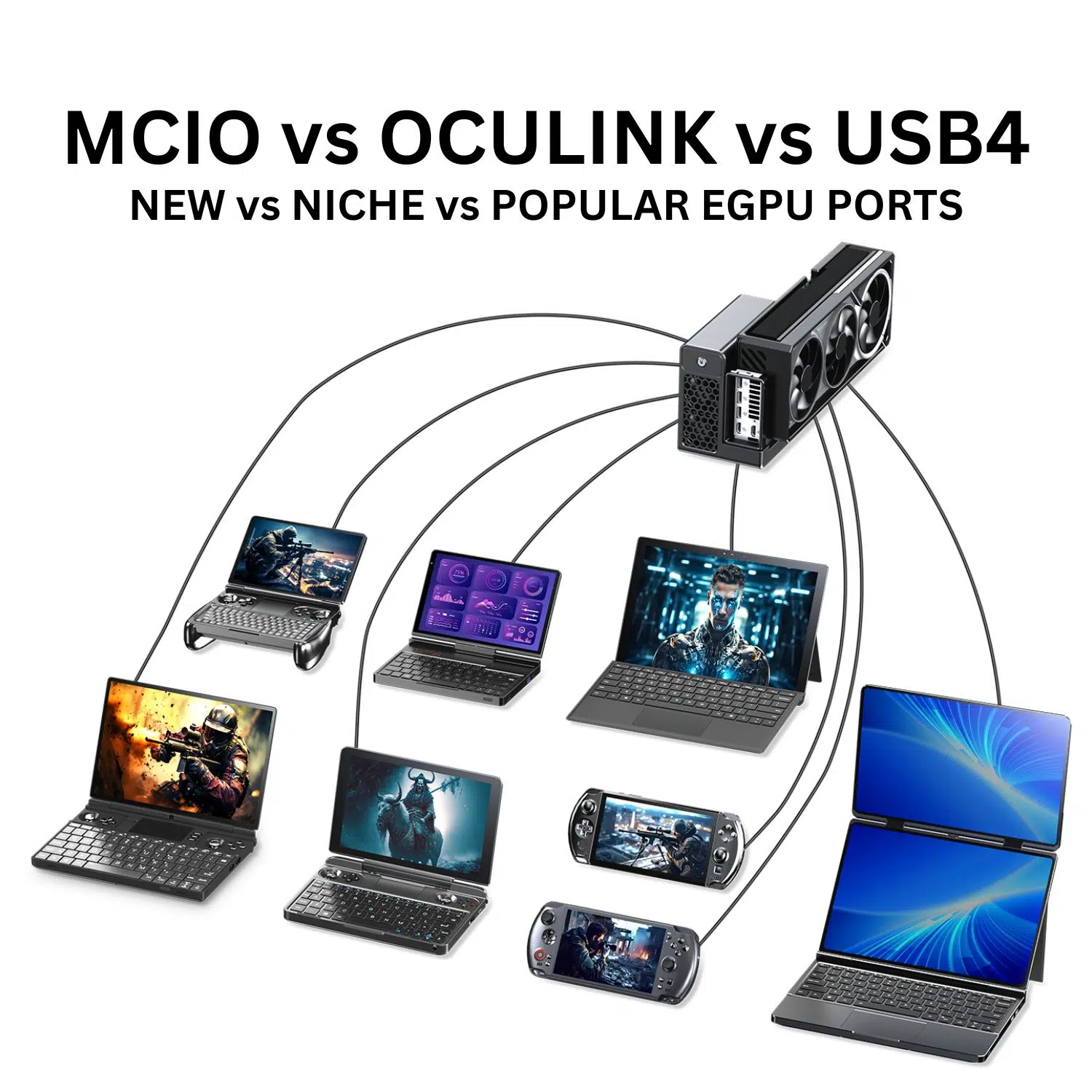
Determining the ideal external GPU (eGPU) interface is not a one-size-fits-all scenario. Generally, USB4 is the top pick for widespread compatibility and ease of use, OCuLink serves as a premier choice for enthusiasts utilizing supported hardware, and MCIO represents the most forward-thinking solution for high-performance, modular configurations.
When evaluating MCIO, OCuLink, and USB4 for an eGPU rig, the honest conclusion is that the “best” option depends entirely on your priorities: raw throughput, everyday usability, or long-term scalability.
Consequently, this isn’t a scenario with a single objective winner. A consumer prioritizing a hassle-free eGPU experience will have different needs than an enthusiast assembling a specialized, high-powered desk setup around a compact mini PC or handheld.
Currently, the landscape breaks down as follows:
- USB4 is generally the superior option for the average user due to its practicality and prevalence.
- USB4 v2.0 strengthens the USB4 value proposition by boosting bandwidth, rendering modern dock-style eGPU configurations far more capable than outdated assumptions about USB-only connections might suggest.
- OCuLink remains a highly attractive solution for enthusiasts whose devices already feature the port.
- MCIO stands out as the most compelling option for the future, particularly for emerging designs that treat external graphics as a fundamental component of a professional, modular desktop ecosystem.
That final point is significantly more relevant now than it was a year ago. GPD is heavily integrating MCIO into devices like the GPD G2 and the GPD BOX, making this comparison vital for those navigating the expanding GPD hardware ecosystem.
Understanding MCIO
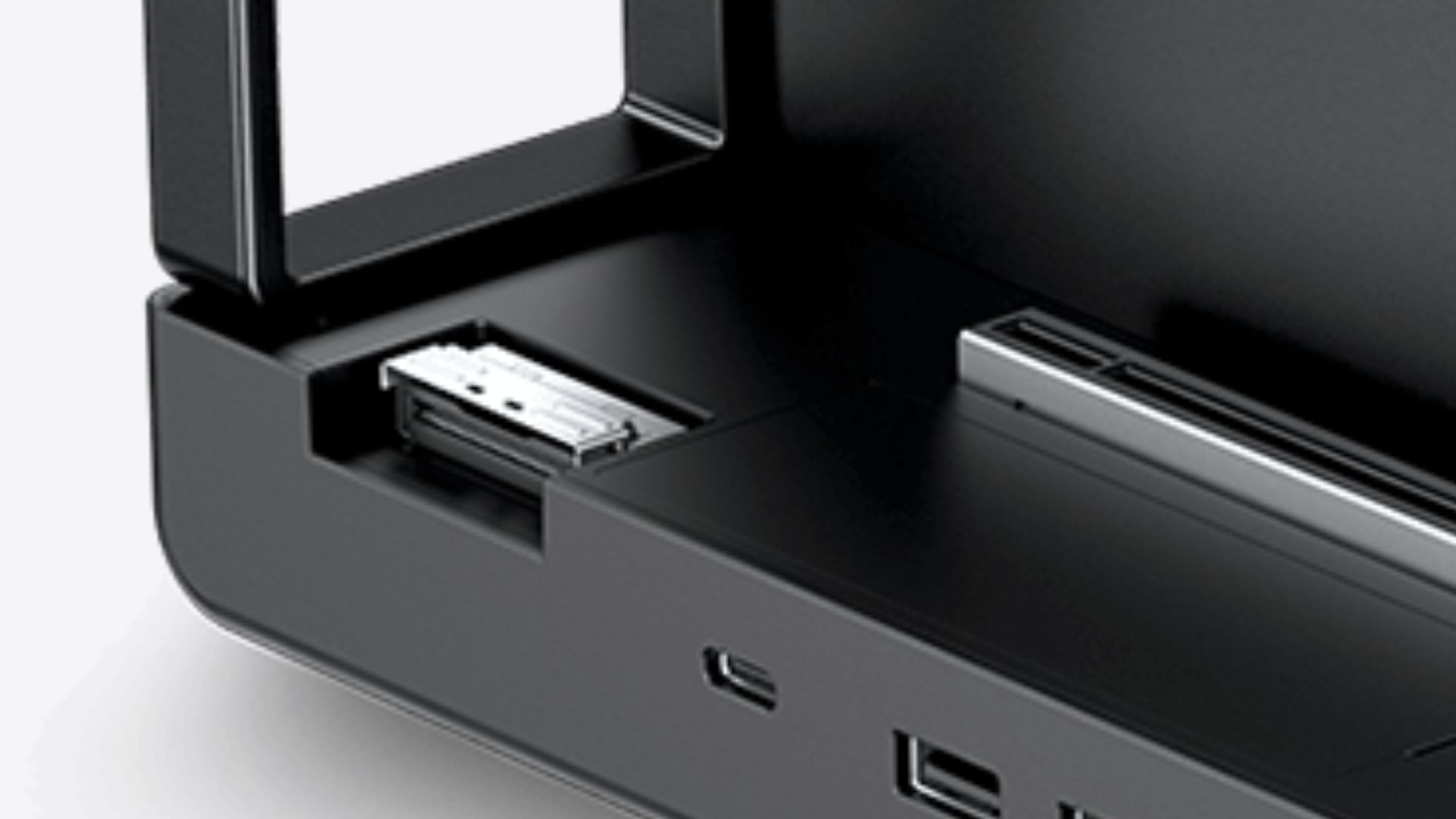
MCIO (Mini Cool Edge IO) is a high-speed interconnect that GPD is leveraging as a cornerstone of its compact desktop and external graphics strategy. Within recent GPD product lineups, MCIO isn’t merely an obscure technical specification; it is marketed as a primary driver enabling compact systems to function with the characteristics of a dedicated, modular desktop.
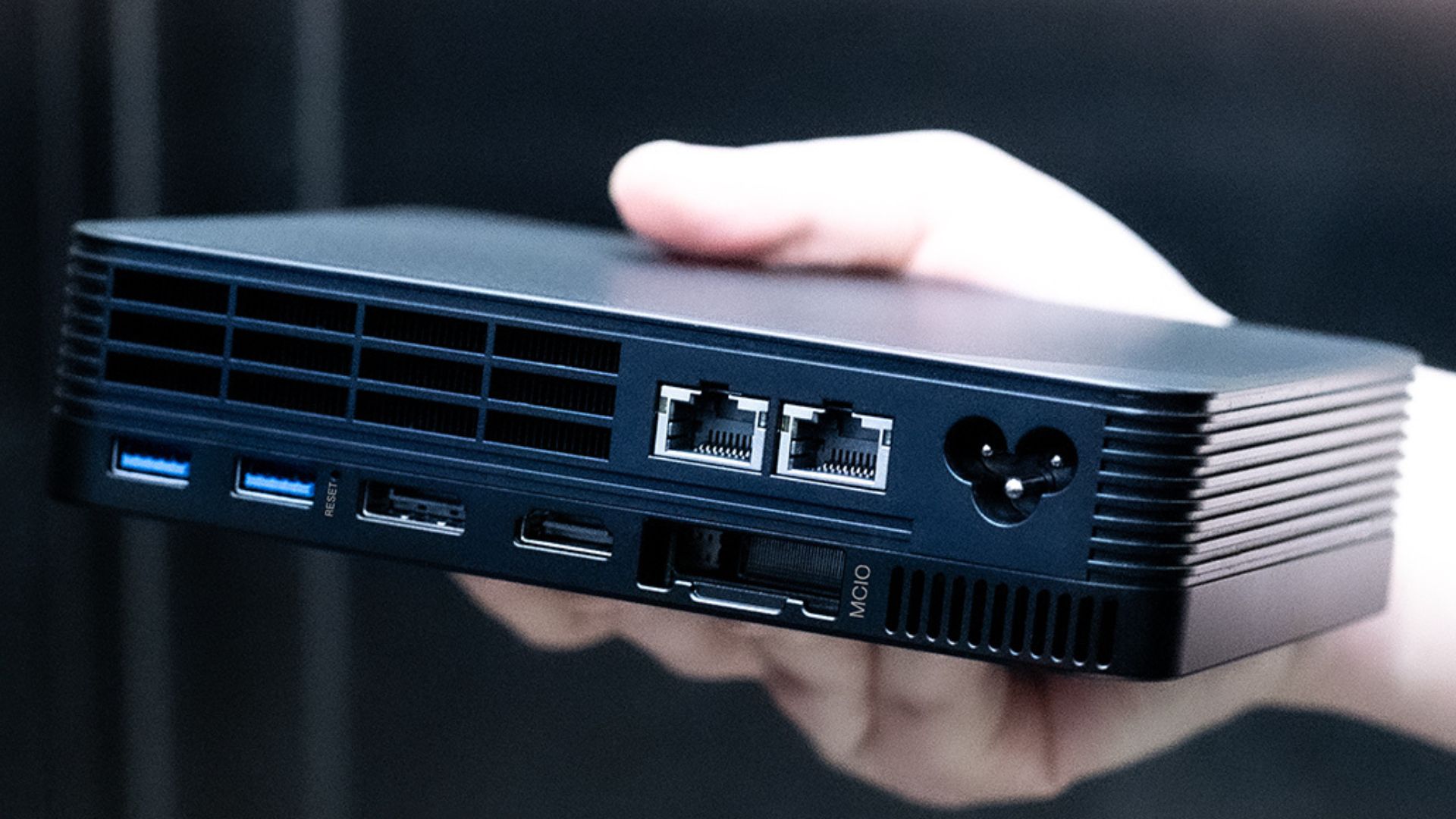
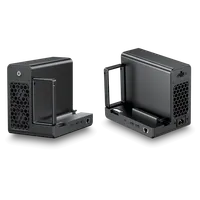
In the latest GPD documentation, MCIO is central to the integration of the GPD BOX and the GPD G2. GPD positions the BOX as the foundational compact system and the G2 as the high-wattage expansion and graphics module. This is significant because MCIO is promoted as more than an auxiliary connection; it supports the broader premise that small-form-factor systems need not be permanently constrained by low-power integrated graphics.
Understanding OCuLink
OCuLink has long been a staple in enthusiast eGPU circles, offering a more direct PCIe-based connection than standard universal docks. Its continued popularity among power users stems from this directness, particularly on specialized mini PCs, handhelds, and enthusiast-focused hardware engineered with it in mind.
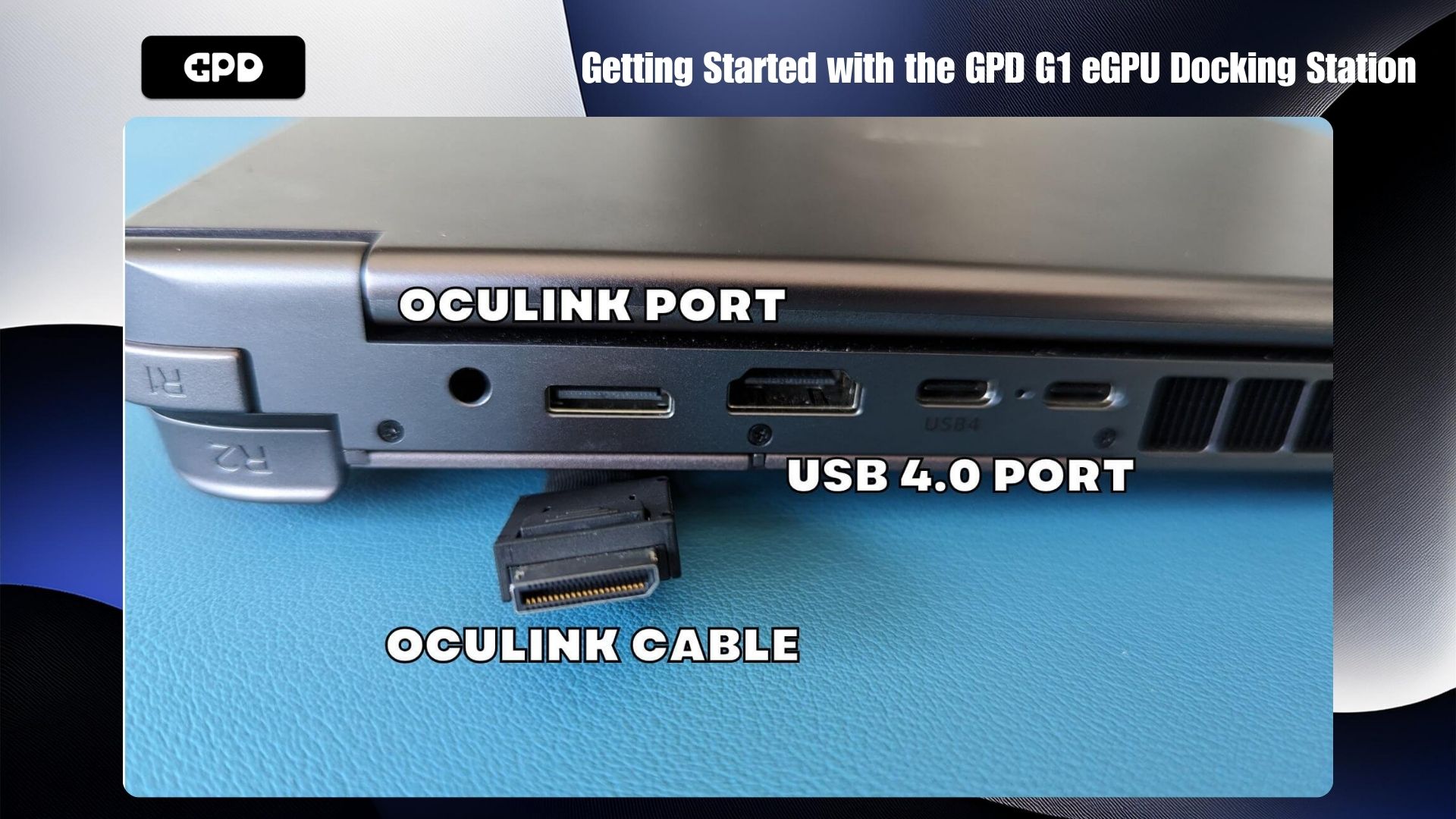
However, OCuLink has never achieved broad mainstream adoption. Its primary value lies in devices like the GPD WIN MAX 2025, where the port is explicitly exposed, and the user understands they are constructing a specialized enthusiast rig rather than seeking plug-and-play universal compatibility.
Therefore, while OCuLink is an incredibly potent tool, it is typically a device-specific strength rather than a universal standard.
Understanding USB4
USB4 is the most recognizable and accessible of the three, as it integrates seamlessly into the modern USB-C device landscape. It is the logical choice for shoppers desiring an eGPU-capable setup that mimics a plug-and-play experience, contrasting with more specialized enthusiast alternatives.
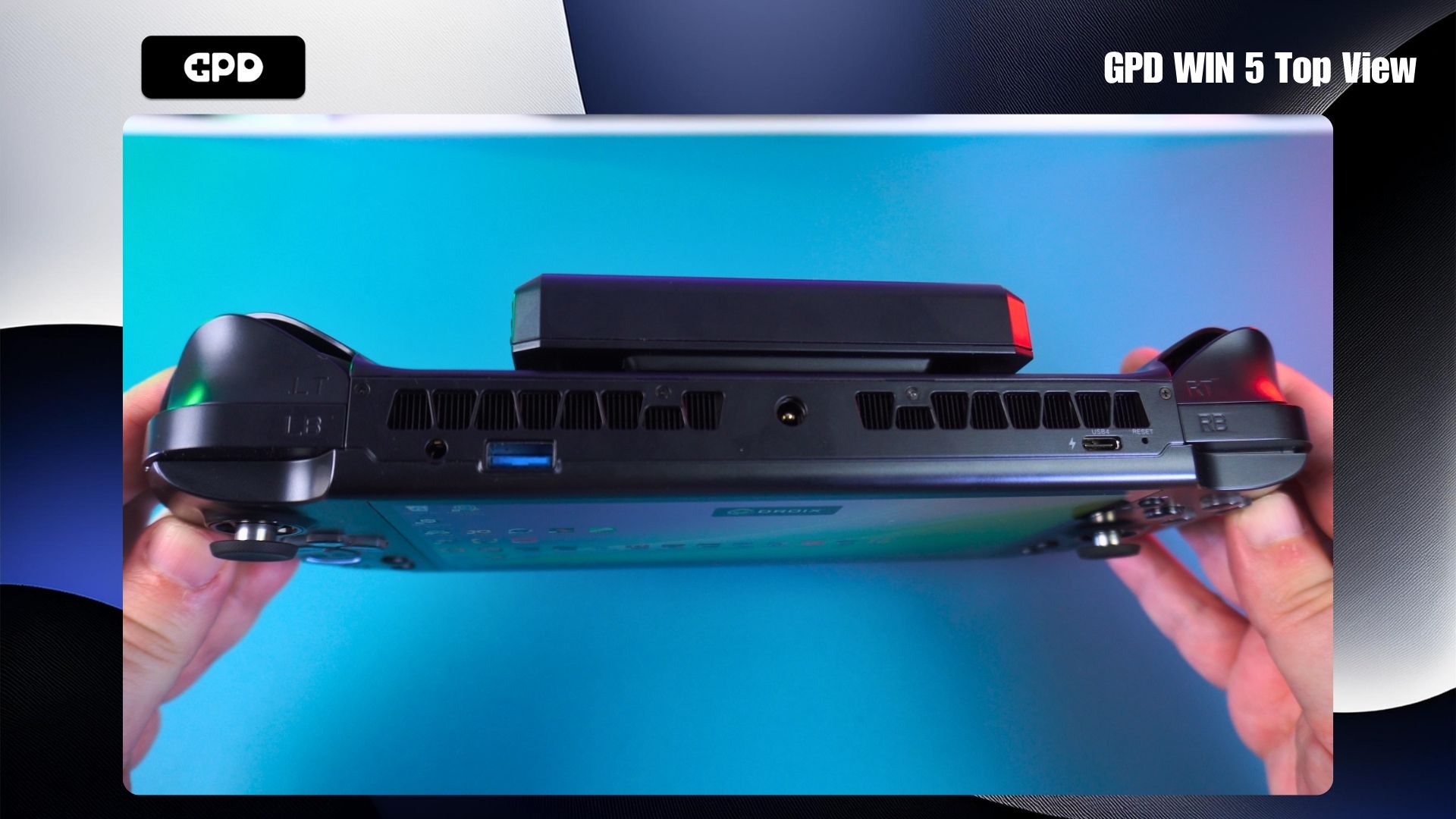
This accessibility is why USB4 remains a central focus for handheld gaming PCs, mini laptops, and compact PCs. Many users are not interested in building a boutique workstation-class eGPU rig; they simply want a device that serves as a portable unit but transforms into a more powerful machine when docked.
This is where USB4 continues to offer immense value, especially across the diverse market of ultrabooks, mini PCs, and handheld gaming platforms.
The Advancements of USB4 v2.0
It is essential to discuss USB4 v2.0, as it makes the USB side of this debate significantly more intriguing than older iterations suggest.
The primary advancement is increased available bandwidth. Practically speaking, this addresses a major historical criticism of USB-based eGPU setups: while convenient, they were often viewed as less aggressive for performance-oriented users. USB4 v2.0 effectively narrows this perception gap.
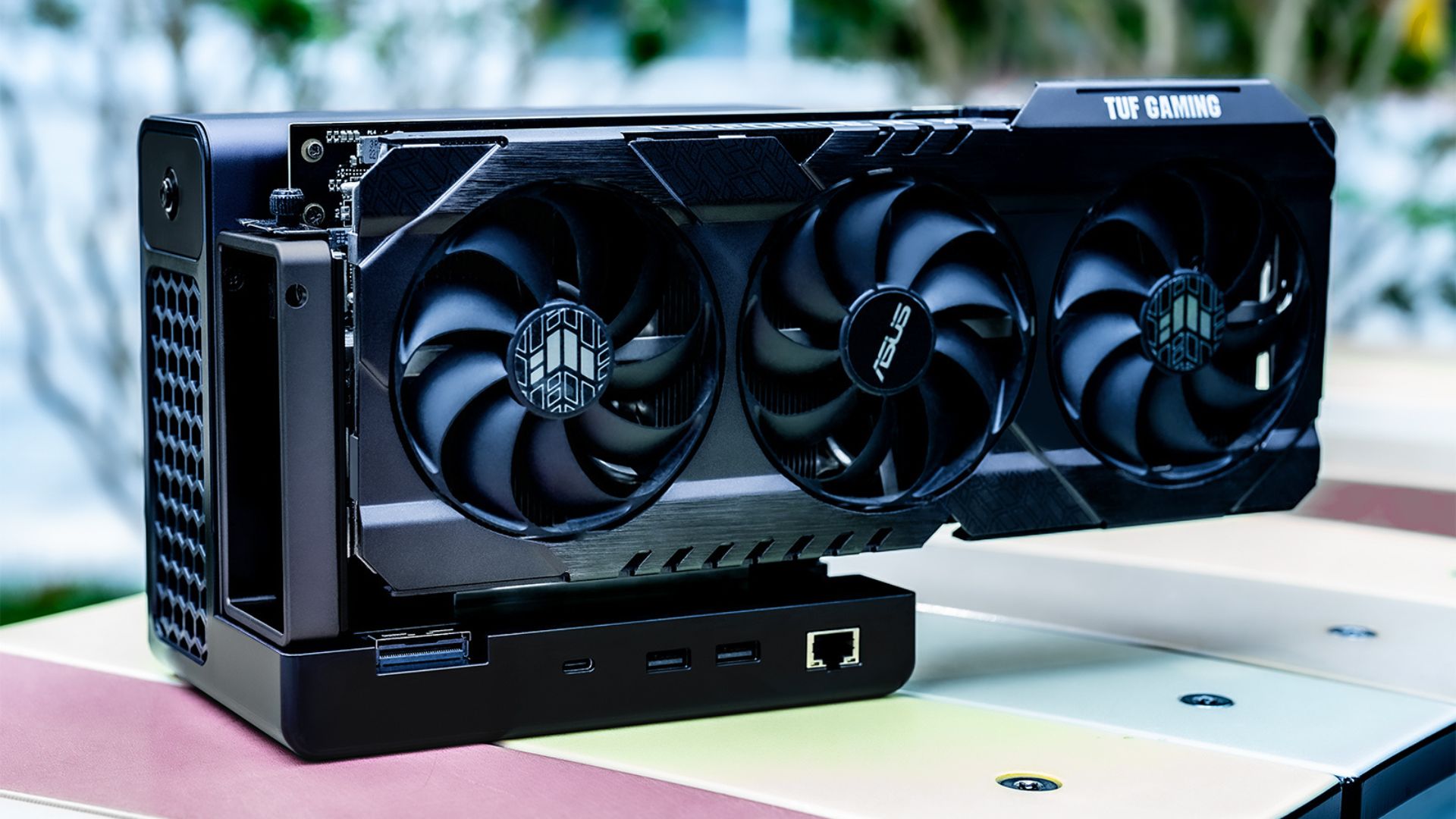
Regarding current GPD offerings, the GPD G2 provides a clear example of why this matters. The dock incorporates USB4 v2.0 support, using it to substantiate its role as more than a basic docking station. Essentially, USB4 v2.0 is not merely for compatibility; it facilitates the argument that a USB-based connection can be viewed seriously within high-performance, compact configurations.
The most beneficial way to interpret these improvements is as follows:
- Higher bandwidth ceiling compared to standard USB4.
- A more convincing case for modern dock-style eGPU setups.
- Enhanced alignment with premium compact hardware that demands both convenience and power.
- A diminishing gap between “ease of use” and “high performance” in the eGPU market.
It is also noteworthy that USB4 v2.0 is backwards compatible with standard USB4. This is important because new USB4 v2.0 hardware does not instantly render the existing USB4 ecosystem obsolete. Instead, it elevates the potential performance while maintaining the broader, user-friendly USB4 framework.
This does not imply that USB4 v2.0 inherently replaces MCIO or renders OCuLink obsolete. However, it does mean the USB standard is becoming increasingly difficult to overlook, particularly in newer systems engineered around it from the start.
The Fundamental Contrast: Bandwidth vs. Compatibility vs. Convenience
The persistence of this debate is rooted in the fact that these three interfaces address distinct needs.
| Connection | Top Speed |
| MCIO | Up to 512Gbps (bidirectional) |
| OCuLink | Up to 64Gbps (bidirectional) |
| USB4 | Up to 40Gbps |
| USB4 v2.0 | Up to 80Gbps (bidirectional); Up to 120Gbps/40Gbps (asymmetrical) |
Note: MCIO and OCuLink speeds fluctuate based on specific PCIe generation and lane allocation. These figures represent the highest commonly cited implementations in contemporary GPD/eGPU discussions, not universal fixed speeds for every device.
MCIO: Aiming for Modular High-End
MCIO is the most compelling choice if you appreciate the prospect of a compact system connecting to a device that functions as a serious expansion platform rather than a simple dock. This aligns with GPD’s current strategic direction.
OCuLink: The Enthusiast’s Choice
OCuLink remains appealing due to its association with direct, performance-oriented external graphics on compatible hardware. However, support is far more limited, and the overall experience lacks universality.
USB4: Prioritizing Equilibrium
USB4 is the most balanced solution for modern consumers, offering the widest device compatibility and a straightforward user experience. It may lack the “exotic” appeal of niche standards, but it is frequently the most pragmatic choice.
USB4 v2.0: Elevating the Standards
USB4 v2.0 refines the USB4 argument by increasing bandwidth, ensuring modern compact eGPU ecosystems feel less like compromises than older USB standards might suggest.
Which Connection Is Best for Most Users?
For the majority of current buyers, USB4 remains the optimal choice. This isn’t necessarily because it is the most innovative or high-speed option, but because it is the most straightforward to build around if you value:
- Broad device compatibility.
- Simpler purchasing decisions.
- Streamlined dock-style use cases.
- Higher probability of functionality across various laptops, handhelds, and compact PCs without requiring specialized hardware.
If you are asked which eGPU connection to prioritize without already owning an OCuLink or MCIO-capable system, USB4 is the safest, most reliable recommendation.
Which Connection Is Best for Enthusiasts?
If you possess a device equipped with OCuLink and specifically procured it for high-end eGPU performance, OCuLink may remain the most satisfying solution.
This is the nuance frequently missed: USB4 may be superior for the general market, but that does not automatically make it the best for every specific enthusiast build. On the appropriate device, OCuLink is highly relevant, particularly when the user prefers a dedicated external graphics pathway over mainstream convenience.
Which Connection Is Best for the Future?
Regarding the trajectory of compact modular systems, MCIO is the interface to monitor most closely.
This does not imply MCIO is the correct immediate choice for every buyer. It remains the least common of the three in mainstream discourse. However, it currently appears to be the most ambitious approach for manufacturers attempting to establish eGPU expansion as a viable long-term platform rather than an optional add-on.
This is precisely why the GPD BOX and GPD G2 are significant; together, they transition MCIO from a theoretical concept to a tangible ecosystem strategy.
 GPD BOXChoose your option, then where to buy it.
Prices are the ones Weekly last read from each store — check the store page before you buy.
The Role of GPD in this Dialogue
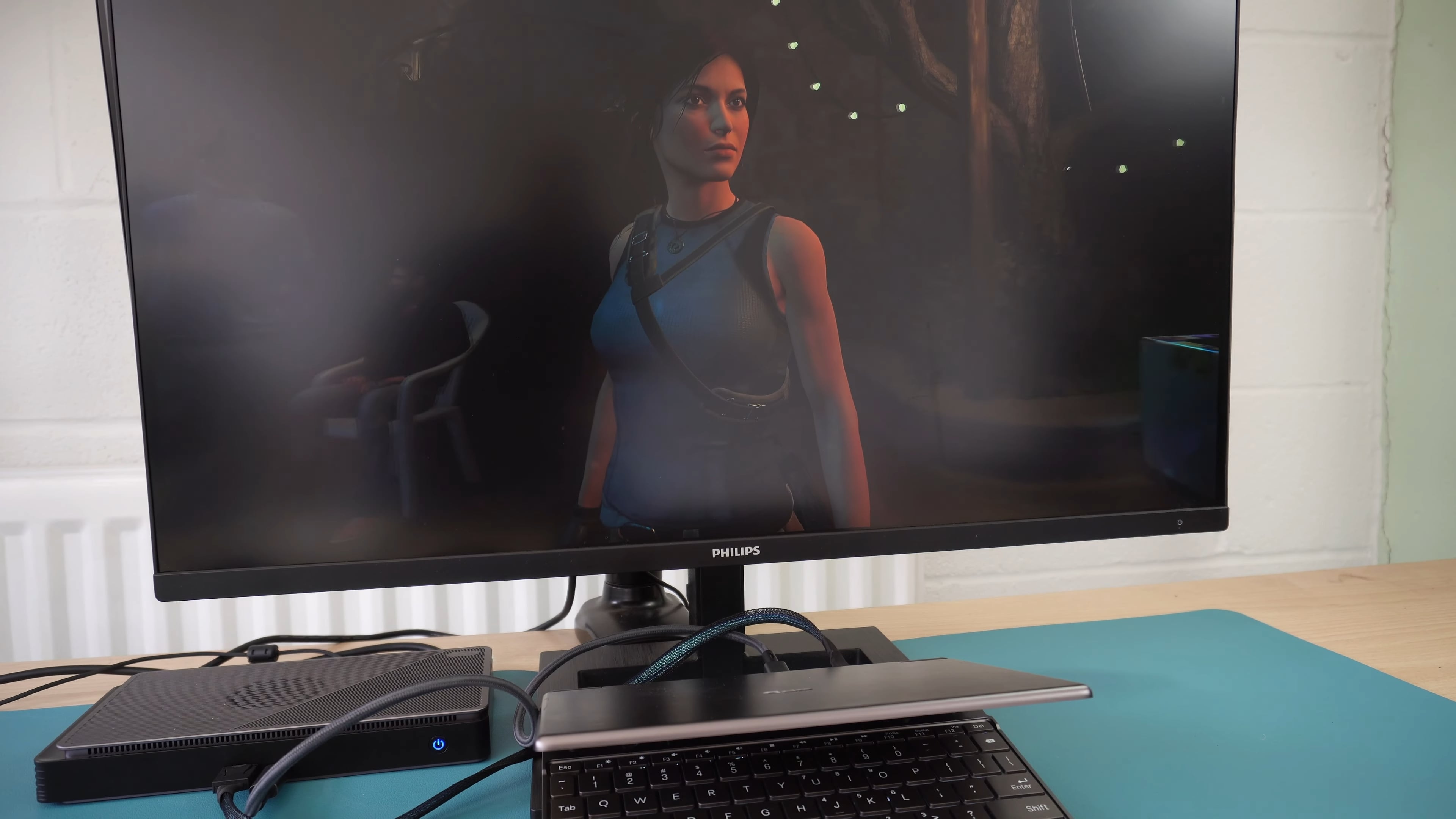
GPD serves as an excellent case study for why this topic is currently relevant. The firm has moved beyond producing isolated handheld gaming PCs and mini laptops. With the introduction of the GPD G2 and GPD BOX, they are building a robust case for compact systems as components of a modular performance stack.
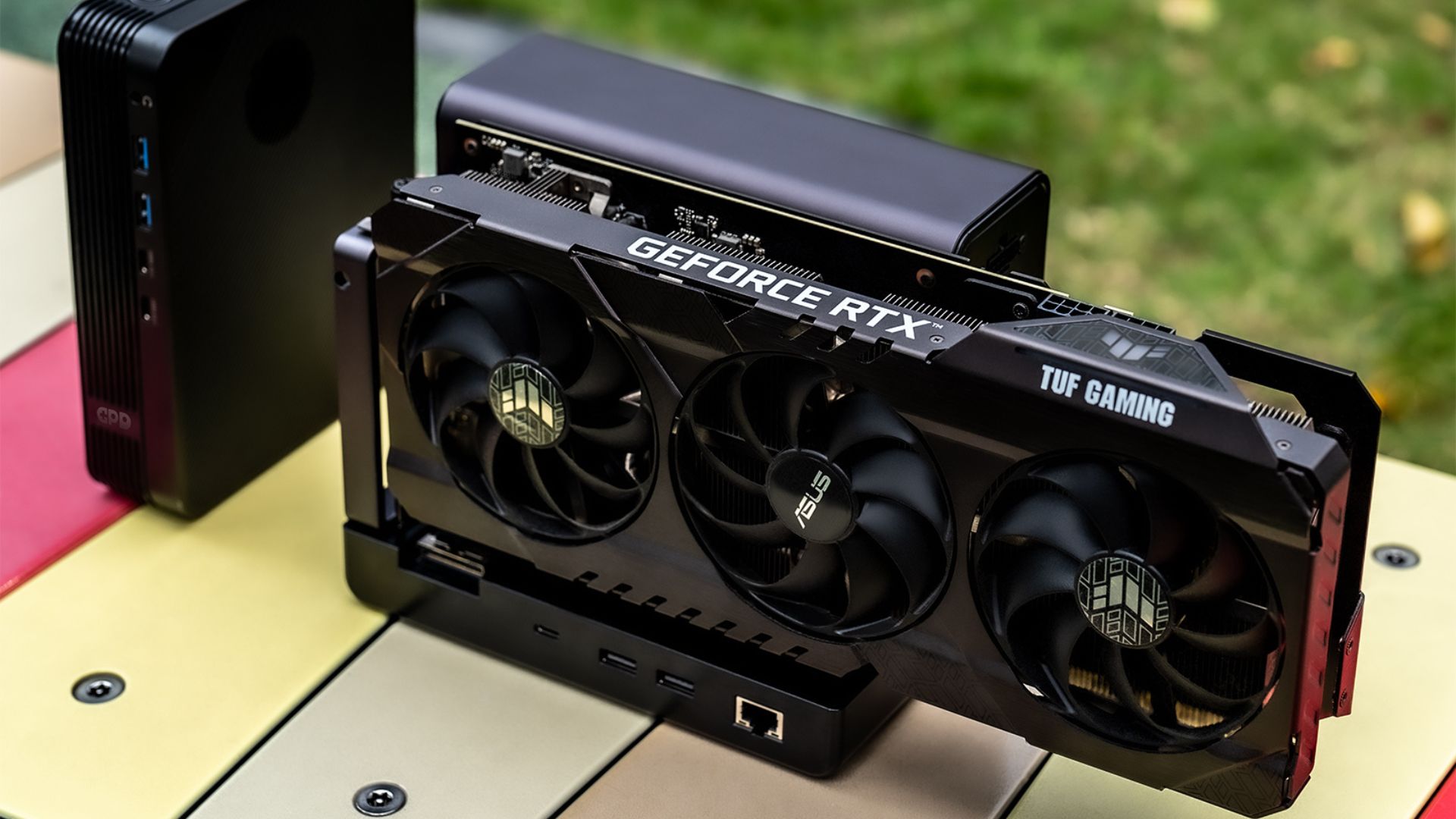
This provides buyers with three lenses through which to view the current landscape:
- Existing enthusiast-grade devices keep OCuLink highly relevant.
- The ubiquity of current portable systems makes USB4 the most accessible recommendation.
- Innovative modular GPD hardware elevates the importance of MCIO.
If you are researching the broader GPD product catalog, this transition is essential to track.
Is MCIO Superior to OCuLink?
In terms of contemporary excitement and long-term platform potential, MCIO appears stronger. Regarding practical usage for enthusiasts on existing supported hardware, OCuLink remains highly relevant for those who already own compatible devices.
Therefore, a better framing is:
- MCIO excels as a forward-looking ecosystem standard.
- OCuLink remains a highly capable, practical solution that shouldn’t be discarded simply because new standards are emerging.
This is particularly true for users who already possess devices where OCuLink is a established, reliable component of their eGPU setup.
Is USB4 Superior to OCuLink?
For general consumer advice, yes, typically. For a specialized enthusiast device selected specifically for its OCuLink integration, not necessarily. This pattern reflects the entire comparison: USB4 prevails as a broad recommendation, whereas OCuLink triumphs within a more focused niche.
Is USB4 Superior to MCIO?
For general accessibility, yes. For future-facing modular ambitions, likely not. USB4 is the interface more users can practically employ today, which is critical. However, should companies like GPD continue to prioritize MCIO, USB4 may increasingly appear to be the convenient, mainstream choice rather than the most ambitious, performance-centric standard.
What Should Buyers Ultimately Select?
The simplest breakdown:
Select USB4 if:
- You require the safest, most reliable recommendation.
- You prioritize extensive compatibility.
- You prefer a mainstream, accessible purchasing path.
- You are evaluating a diverse range of handhelds, laptops, and mini PCs.
Select OCuLink if:
- You currently own a device engineered for it.
- You are constructing a dedicated, enthusiast-level eGPU setup.
- You are comfortable with limited compatibility and more specialized planning.
Select MCIO if:
- You are investing in a newer modular ecosystem.
- You have a specific interest in emerging compact desktop/eGPU hybrid designs.
- You wish to align with the future of high-bandwidth, small-form-factor expansion.
The Experience Depends on the System, Not Just the Port
It is worth emphasizing that buyers frequently over-prioritize the connector name and under-prioritize the complete platform.
A superior eGPU experience depends on much more than the label (MCIO, OCuLink, or USB4). It is also dictated by:
- Host device architecture.
- Firmware and driver optimization.
- Operating system compatibility.
- Specific graphics card integration.
- Thermals, power delivery, and workload requirements.
Consequently, a theoretically “weaker” standard on a well-designed system can provide a superior real-world experience compared to a more “exciting” standard on a poorly configured one.
Final Verdict
For the broadest and simplest answer, USB4 remains the superior eGPU connection for the majority of today’s users. If you currently own a device with robust OCuLink support, OCuLink remains a premier enthusiast eGPU alternative.
If your interest lies in the future of compact modular systems, MCIO is the most vital connection to monitor, especially within products like the GPD G2 and GPD BOX.
There is no singular, universal winner. However, there is a clear practical ranking based on use case:
- Best for the majority: USB4
- Best for enthusiast legacy and niche setups: OCuLink
- Best for future-oriented modular potential: MCIO
Frequently Asked Questions
Which is superior for eGPU: MCIO, OCuLink, or USB4? There is no absolute winner for every user. USB4 is generally the best for widespread compatibility and convenience, OCuLink remains exceptional for specific enthusiast devices with native support, and MCIO represents the most ambitious path for newer, modular compact systems.
Is USB4 the best external GPU connection for most people? Generally, yes. USB4 is the safest recommendation for most buyers, as it is more universally available and easier to implement than MCIO or OCuLink.
Does USB4 v2.0 provide a tangible benefit for eGPU configurations? Yes, potentially. USB4 v2.0 improves the bandwidth capacity, making USB-based eGPU designs more compelling, particularly in newer hardware engineered to utilize that extra overhead.
Does OCuLink remain relevant in 2026? Yes. OCuLink is still highly relevant if you own a device designed around it or if you are aiming for an enthusiast-grade eGPU setup on supported hardware.
Why is MCIO receiving increased attention? MCIO is garnering more interest because manufacturers like GPD are utilizing it to promote more robust modular compact systems, particularly within the GPD BOX and GPD G2 product lines.
Should I purchase a device solely because it features MCIO? Not necessarily. While MCIO is exciting, the entire platform remains the primary factor. You should evaluate the hardware, software support, long-term expansion goals, and the overarching ecosystem rather than focusing exclusively on the port.
Where can I find GPD’s current MCIO and eGPU roadmap? An excellent place to begin is by researching the GPD G2 and the GPD BOX.





Questions & answers